Metal Buttons – Durable & Stylish Fasteners for Your Projects
Whether you're designing garments or handbags, metal buttons offer durability and style. Their standardized installation process and versatile three-part structure make them a favorite for customization1. But how can they be tailored to serve your specific needs while elevating your project’s functionality and aesthetics? Let me walk you through it!
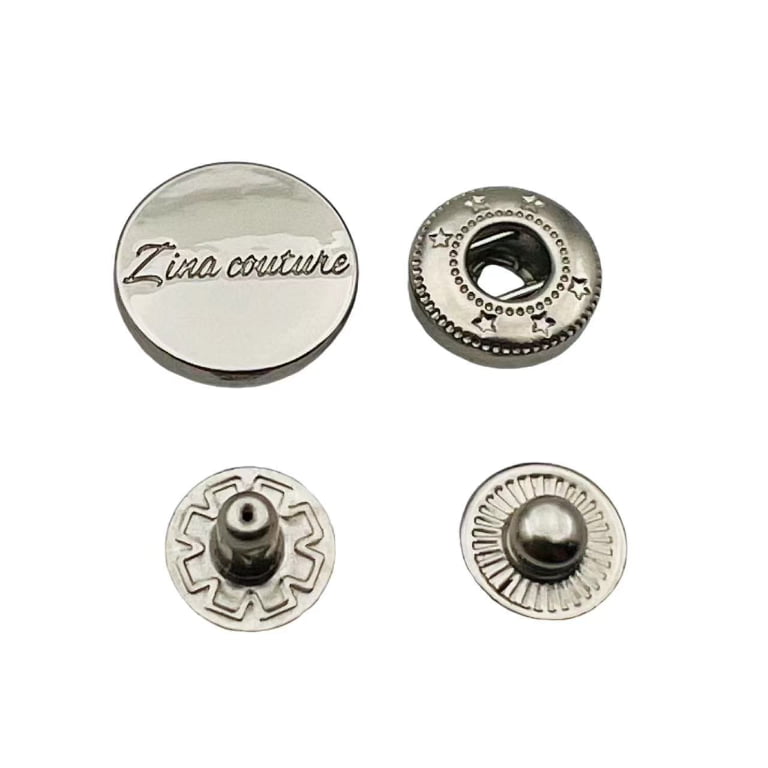
Metal buttons are durable fasteners with a three-part structure, enabling customization in size, style, and cap design. Brands can integrate unique aesthetics or branding elements seamlessly2 into diverse applications, like jeanswear or luxury bags.
Customization isn’t daunting once you understand the structure behind metal buttons. Let's explore how combining durability with customized details can make them a perfect fit for your projects.
Metal buttons serve as reliable fasteners and offer aesthetic flexibility3. Their enduring durability comes not just from their metal composition but also from the robust three-part structure of cap, socket, and stud.
The cap design, combined with the socket-stud mechanism, creates a secure closure4 while allowing tailor-made options for diverse applications — spanning garments and accessories.
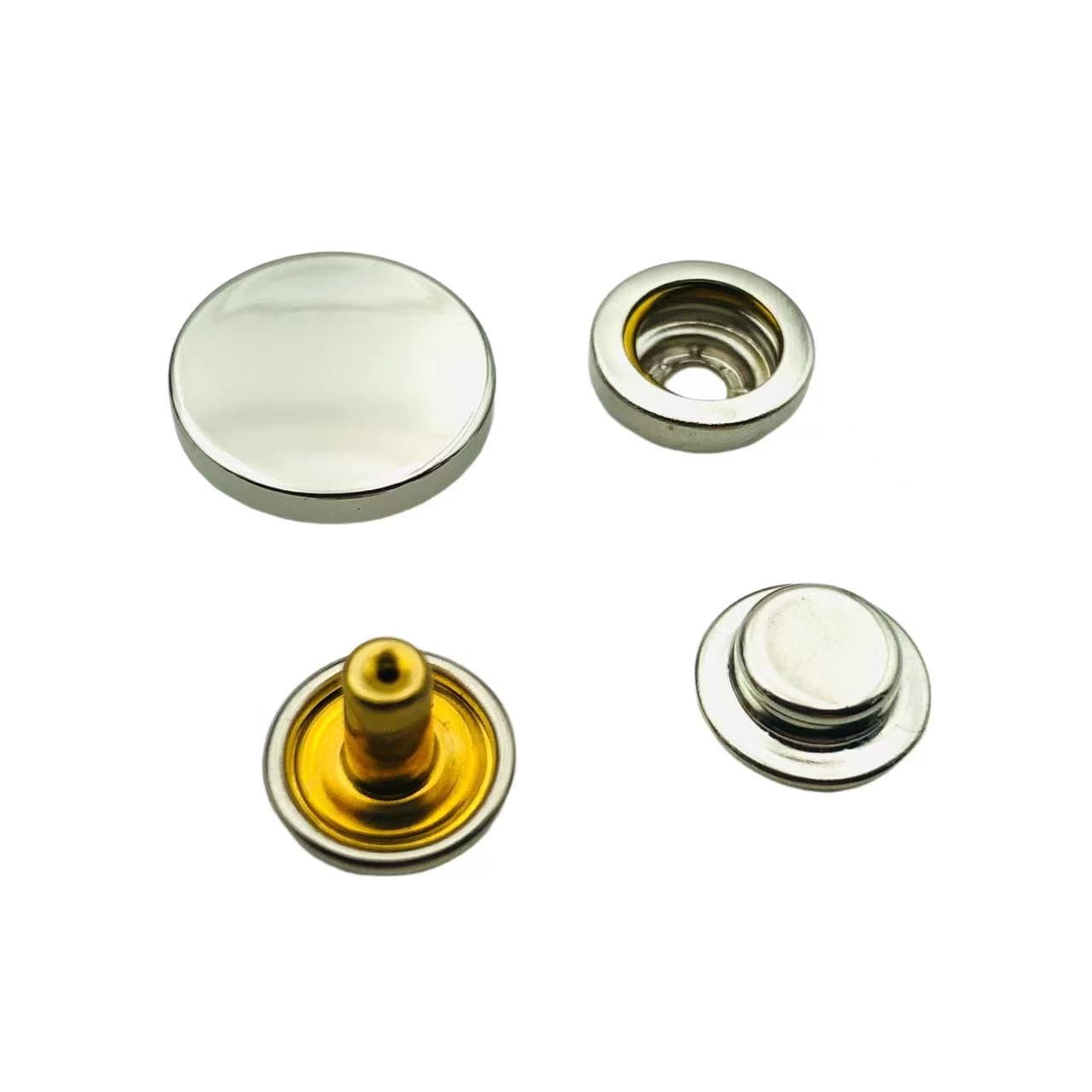
Diving deeper into their three-part structure
Metal buttons feature three essential components:
- Cap: The visible top layer, which usually carries the design or branding.
- Socket: The receiving end that holds the button securely.
- Stud: Locks into the socket to complete the fastening.
While the installation process remains consistent, the three-part structure enables customization. Below are ways it supports versatility:
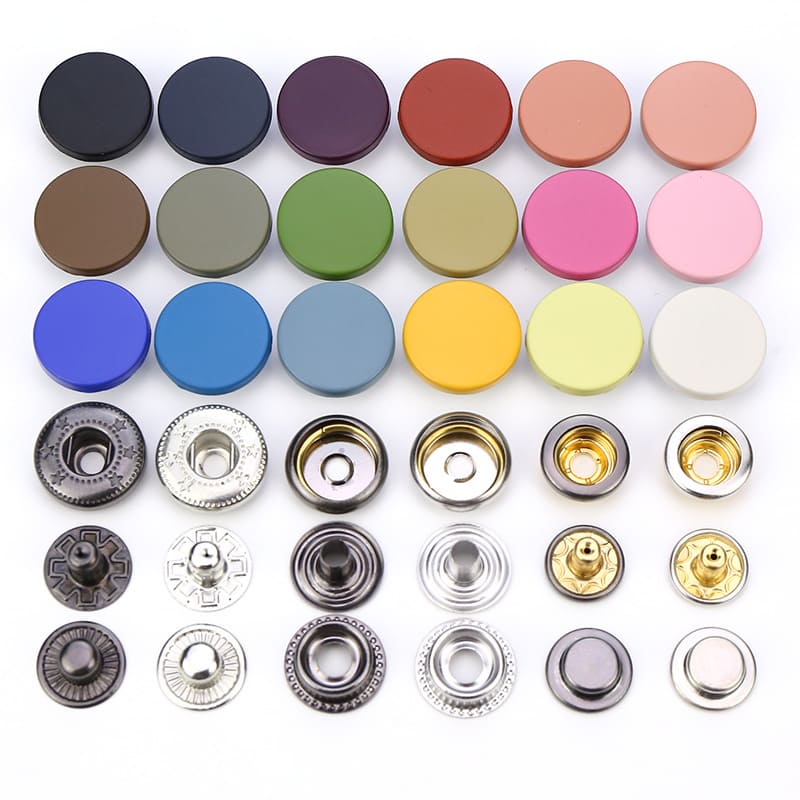
- Size flexibility: Adjusting cap and stud dimensions makes buttons suitable for thicker materials like denim or delicate fabrics like silk.
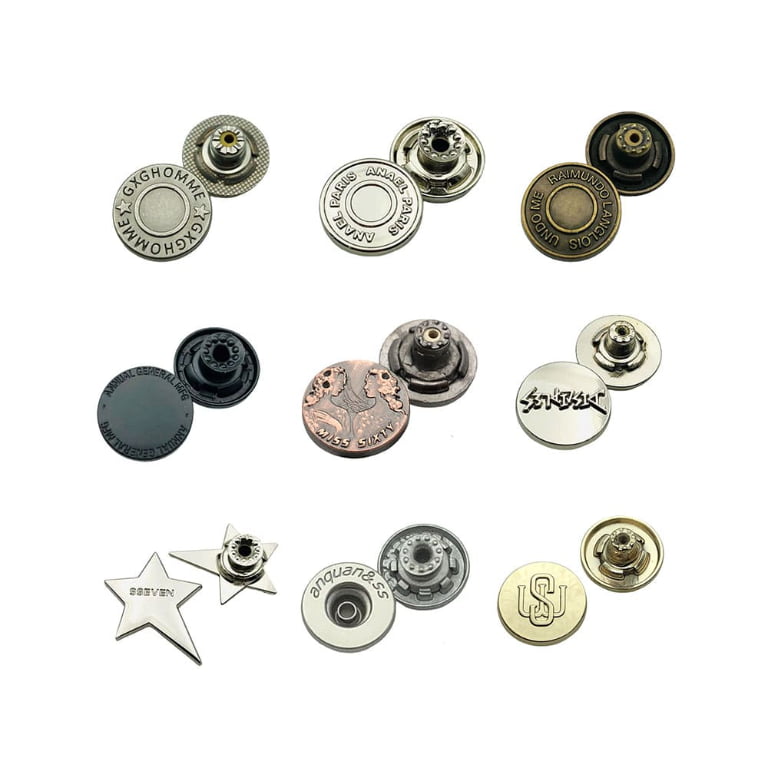
- Design personalization: Brands often prioritize cap design to include logos, patterns, or engraved textures5 that complement their identity.
- Material selection: From matte to glossy finishes, metal buttons can be plated in various tones, including gold, antique brass, or silver.
For instance, a mid-scale handbag manufacturer I worked with used antique brass buttons to enhance vintage aesthetics. They chose smaller custom-stamped caps to lend subtle branding while ensuring usability remained smooth. This balance between durability and customization proved perfect for their niche.
The cap button is the "face" of the metal button. It’s what customers see and what fashion brands spotlight for personalization, whether reinforcing their identity or complementing unique designs.
Cap button customization allows brands to express their aesthetic goals while keeping functionality intact, offering both practicality and decorative appeal.
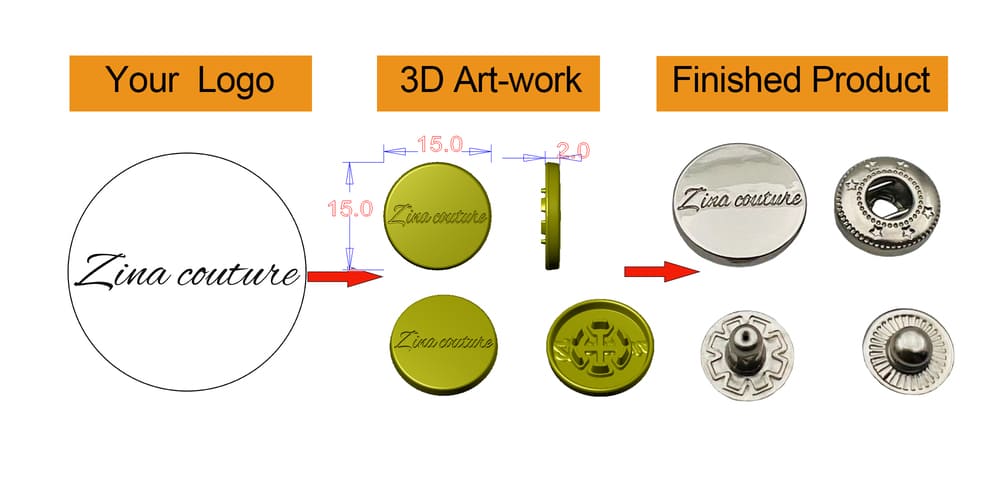
Ways brands harness cap customization
Brands leverage cap button customization for the following reasons:
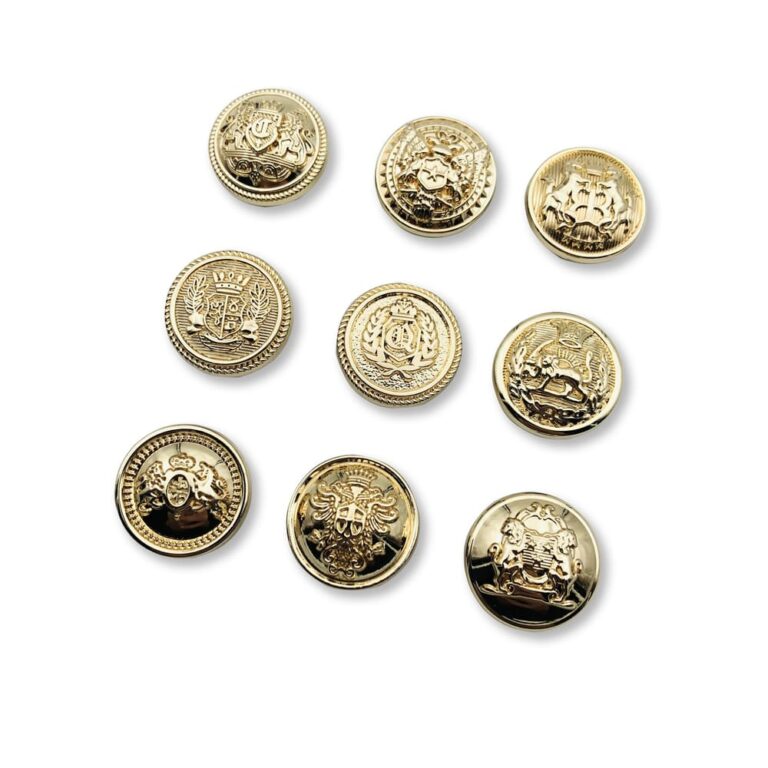
- Logo incorporation: Metal caps can bear detailed logos and emblems etched or embossed into their surface.
- Decorative elements: Some projects focus on adding filigree patterns or jewel accents for luxury products.
- Innovative finishes: Techniques like laser engraving or two-tone plating are increasingly popular for modern collections.
Consider a small garment label that came to us for custom button solutions. They needed scalable options that could shift between functional denim jackets and statement trench coats. We collaborated to engrave subtle designs for the denim pieces and added polished chrome finishes for the high-end trench coat collection.
This flexible approach elevated their product line while maintaining cost efficiency across different production batches.
How can versatile specifications align with varied applications?
Metal buttons adapt to distinct product types — from rugged workwear to sophisticated bags — through tailored size, shape, and finish choices.
The wide range of specifications ensures seamless integration across products, whether prioritizing functionality for jeans or decorative appeal for luxury handbags.
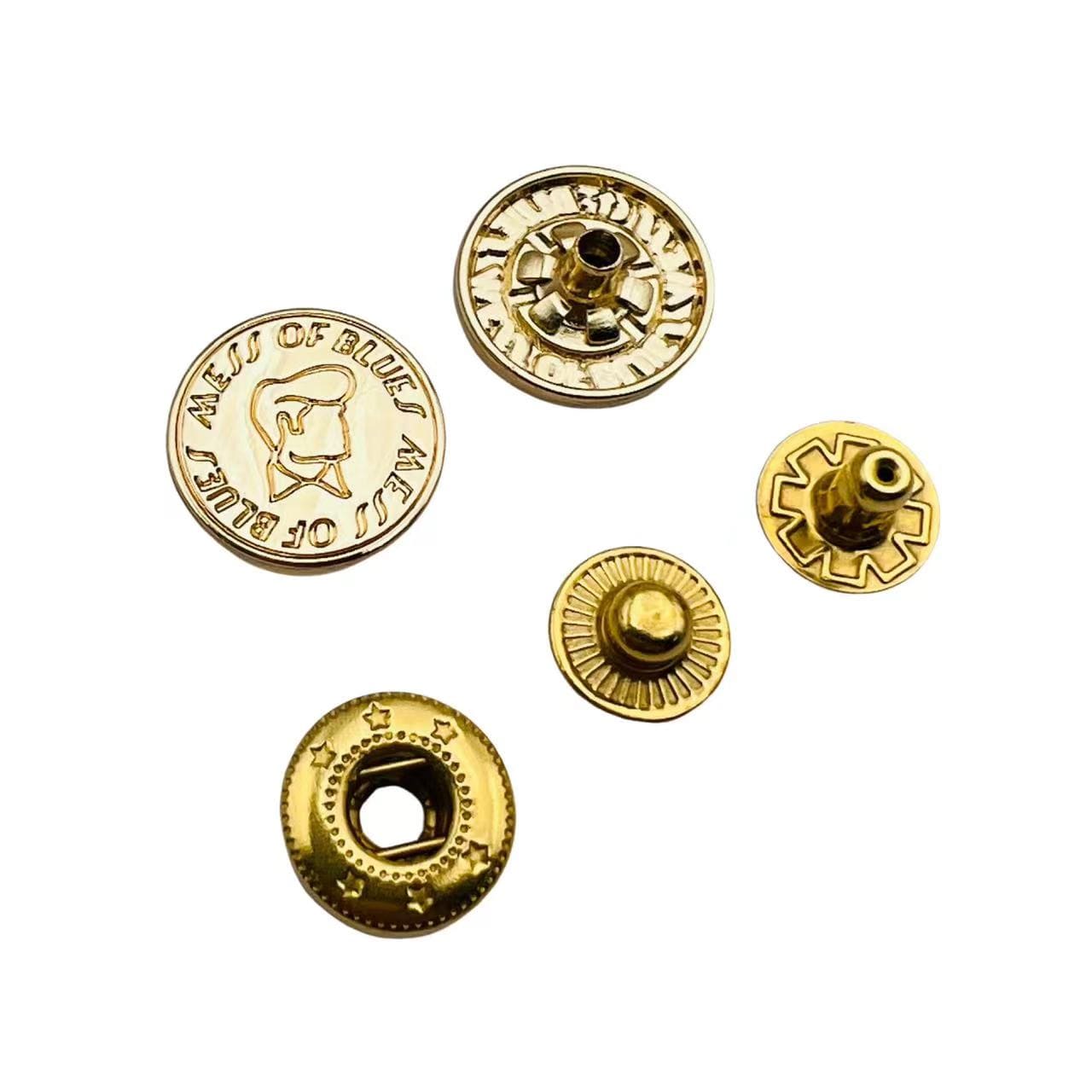
Flexible characteristics of metal buttons
Here are some ways specifications influence button selection for different applications:
- Jeans buttons: Larger buttons and heavy-gauge studs ensure compatibility with thicker denim fabrics.
- Luxury bags: Decorative finishes, such as brushed gold or polished silver, enhance the premium feel6.
- Outerwear buttons: Weather-resistant platings like nickel add durability to coats or jackets used seasonally.
- Artisanal accessories: Petite, finely detailed buttons complement handcrafted designs or special fabric techniques like embroidery.
For example, a new bag manufacturer came to us with the vision of creating clutches designed to pair elegance with function. To address usability without compromising aesthetics, we recommended smaller gold-plated metal buttons with smooth, non-rust coating. These added a high-end feel and reliable fastening for lightweight materials.
The metal or plating used in button customization significantly impacts performance across different use cases. Factor in durability, weight, and aesthetic preferences when selecting materials.
Material choices ensure buttons not only endure friction and handling7 but also accentuate your project’s style without compromising quality.
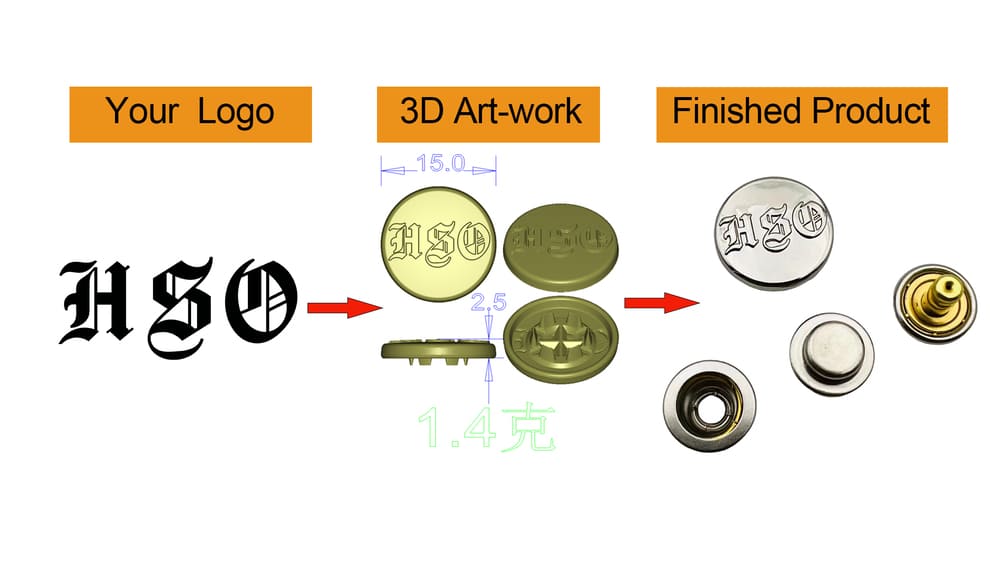
Decoding material decisions
Here’s how various materials align with specific applications:
- Zinc alloy: Lightweight but sturdy; common for general-use garments.
- Brass: Corrosion-resistant, ideal for outdoor-wear buttons requiring longevity.
- Stainless steel: High durability against wear; often chosen for industrial or heavy-duty applications.
- Copper: Antique finishes favored for creative or vintage-inspired projects.
When advising a client manufacturing rustic utility wear, we suggested nickel-plated brass buttons for weather resistance and heavy-duty closures without sacrificing affordability. This combination proved perfect for their rugged branding vision.
Frequently Asked Questions
Are metal button installations complicated?
Not at all! Metal button installation involves a straightforward process using a socket and stud mechanism. However, due to their secure fit, professional tools may be required for proper fastening.
Can metal buttons rust over time?
Many metal buttons include anti-corrosion plating, ensuring resistance to rust in most conditions8. Choose brass or stainless steel for areas prone to humidity or frequent washing.
Is every part of a metal button customizable?
No, the primary focus for customization is on the cap design and optional finish variations. The underlying socket and stud structure remain standardized for functionality.
Are eco-friendly metal button options available?
Yes, there are sustainable options available! Many manufacturers offer recycled alloys or eco-conscious finishing processes. Verify certifications with your supplier.
How do button sizes impact garment performance?
Button sizes ensure compatibility with fabric thickness while affecting usability. Larger buttons offer stronger closures and are ideal for heavier garments; smaller designs suit delicate materials.
Conclusion
Metal buttons marry durability with customizable details, making them a versatile choice across garments and accessories. By focusing on cap design, material options, and tailored specifications, fashion brands can align functionality with aesthetics effortlessly.
Looking for custom metal buttons for your next project? Check out our range of designs and finishes — we’re here to bring your vision to life.
"Button", https://en.wikipedia.org/wiki/Button. The three-part structure of metal buttons, consisting of a cap, socket, and stud, allows for extensive customization in size, design, and material, making them versatile for various applications. Evidence role: mechanism; source type: research. Supports: The three-part structure of metal buttons makes them a favorite for customization.. ↩
"Metal the Brand – Button", https://metalthebrand.com/product/metal-the-brand-button/. Metal buttons are often used by brands to incorporate logos, patterns, and other design elements, enhancing both functionality and aesthetic appeal. Evidence role: general_support; source type: education. Supports: Brands can seamlessly integrate unique aesthetics or branding elements into metal buttons.. ↩
"Push Button Metal Switches Industry Review", https://onpowbutton.com/de/news/push-button-metal-switches-industry-review/. Metal buttons are known for their durability and ability to adapt to various design needs, making them both reliable and versatile. Evidence role: general_support; source type: institution. Supports: Metal buttons are reliable fasteners and provide aesthetic flexibility.. ↩
"Snap fastener", https://en.wikipedia.org/wiki/Snap_fastener. The socket-stud mechanism in metal buttons provides a secure fastening system, enhanced by the cap design that ensures stability and durability. Evidence role: mechanism; source type: paper. Supports: The cap design, combined with the socket-stud mechanism, creates a secure closure.. ↩
"Custom Metal Button | Metal Buttons For Jeans | MOQ:100pcs", https://js-pins.com/product/custom-metal-button/. Cap designs on metal buttons are frequently customized with logos, patterns, or textures to align with brand identity and aesthetic goals. Evidence role: general_support; source type: research. Supports: Brands often prioritize cap design to include logos, patterns, or engraved textures.. ↩
"What Kind of Hardware Do Luxury Handbags Have?", https://hgbagsonline.com/blogs/blog/what-kind-of-hardware-do-luxury-handbags-have. Decorative finishes like brushed gold and polished silver are commonly used in luxury accessories to convey a sense of elegance and premium quality. Evidence role: general_support; source type: education. Supports: Decorative finishes, such as brushed gold or polished silver, enhance the premium feel of luxury bags.. ↩
"Choice of Materials for Buttons", https://dehometal.com/choice-of-materials-for-buttons/. The choice of materials in metal buttons directly influences their durability and aesthetic appeal, making them suitable for various applications. Evidence role: general_support; source type: research. Supports: Material choices ensure buttons not only endure friction and handling but also accentuate your project’s style.. ↩
"What is the best alloy and/ or coating for metal buttons/logo?", https://www.reddit.com/r/metalworking/comments/1jji450/what_is_the_best_alloy_and_or_coating_for_metal/. Anti-corrosion plating, such as nickel or zinc coatings, is commonly applied to metal buttons to enhance their resistance to rust and environmental wear. Evidence role: mechanism; source type: paper. Supports: Many metal buttons include anti-corrosion plating, ensuring resistance to rust in most conditions.. ↩