Custom Metal Pin Buttons: What Should You Know?
Custom metal pin buttons are versatile and eye-catching accessories for garments, bags, and branding projects. But achieving successful customization is no simple task—it requires balancing design ambitions with practical manufacturing limits. By understanding material constraints, design feasibility, and clear communication practices, you can ensure your project runs smoothly and avoids unnecessary delays.
Custom metal pin buttons are not one-size-fits-all. To create successful and cost-effective designs, buyers must carefully assess material compatibility, simplify intricate designs for manufacturing, and communicate use-case details to avoid expensive errors.
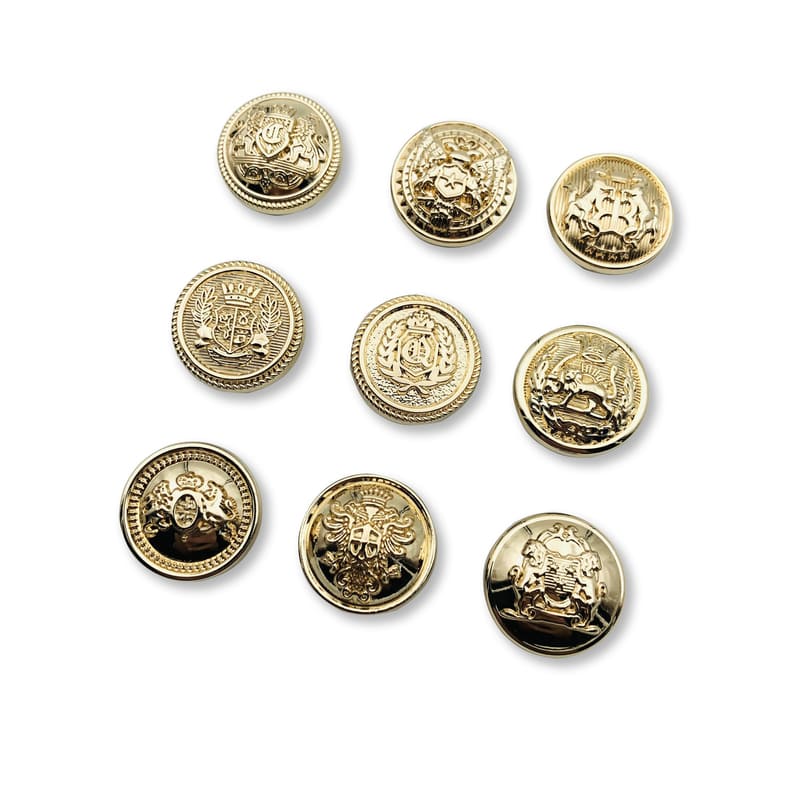
Custom metal pin buttons are a great way to showcase branding or unique designs, but challenges can arise without proper planning. Below, I’ll delve into key considerations to help decision-makers achieve optimal results while avoiding common pitfalls.
Creating custom pin buttons starts with selecting the right material—an often-overlooked step.
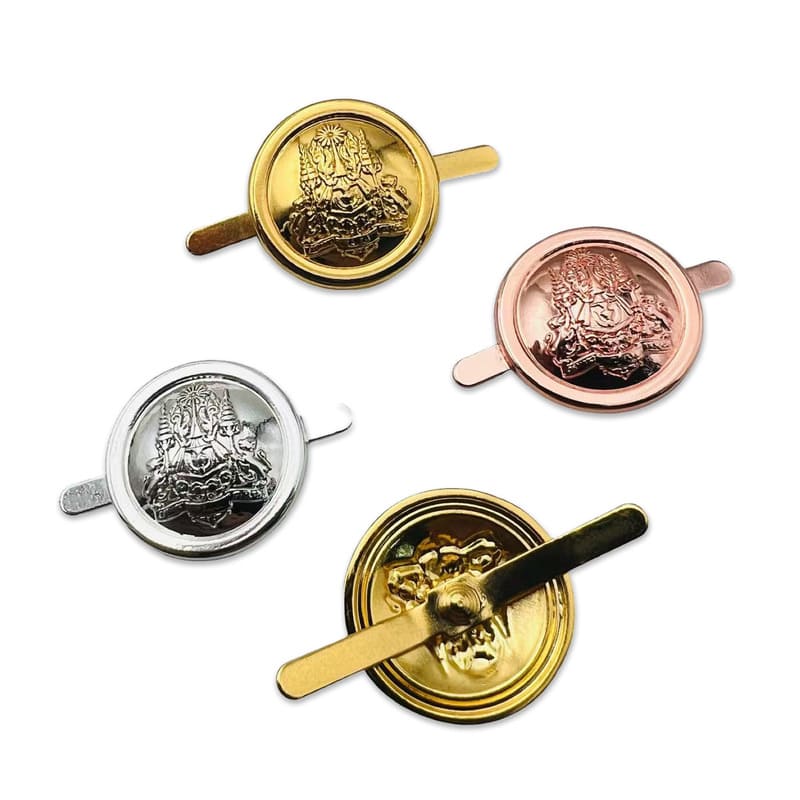
Metal materials like brass, stainless steel, and zinc alloys are popular for custom pin buttons due to their durability, finishing options, and compatibility with versatile designs.1 Aluminum is commonly chosen for lightweight designs, but it may limit engraving detail.2
Dive deeper into material limits
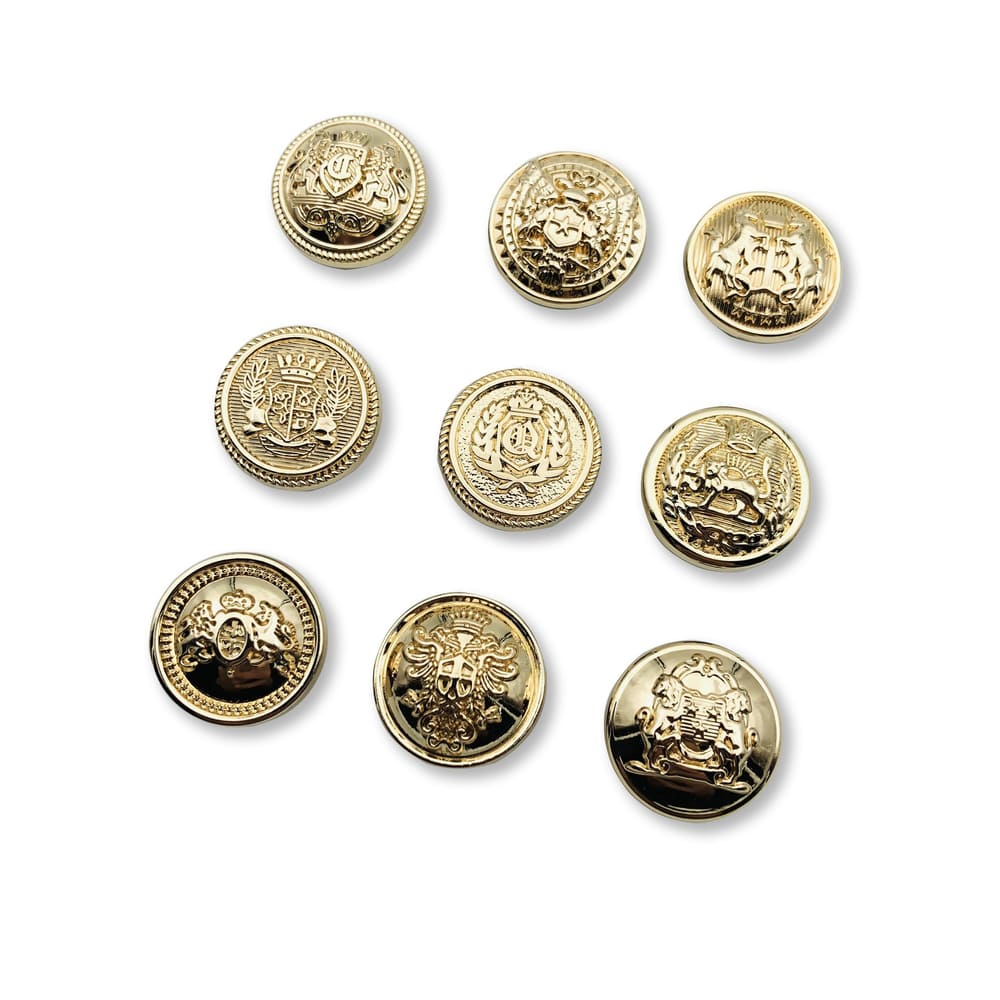
For intricate designs, brass and zinc alloy tend to perform best because they can undergo detailed casting and engraving. Brass provides an excellent surface for electroplating, resulting in high-quality finishes like gold or antique effects.3 Zinc alloys, on the other hand, offer flexibility for more complex shapes due to their casting properties.4
Aluminum is lightweight and budget-friendly, which makes it suitable for bulk production with simpler aesthetics. However, I’ve seen challenges when clients request overly detailed designs—aluminum does not perform as well in fine engraving or embossing due to its softness.
Beyond mechanical properties, you should consider the finishing needs of your project. For example:
- For high-polish finishes: Stainless steel works well, but costs may rise due to higher material pricing.
- For rustic or textured looks: Zinc can be textured affordably yet still maintain robustness.
Always communicate the visual and functional expectations upfront with your supplier. That’s how you can align designs with material performance.
How do design complexities influence manufacturing?
Custom designs are exciting—but excessively complex designs often face production hurdles.
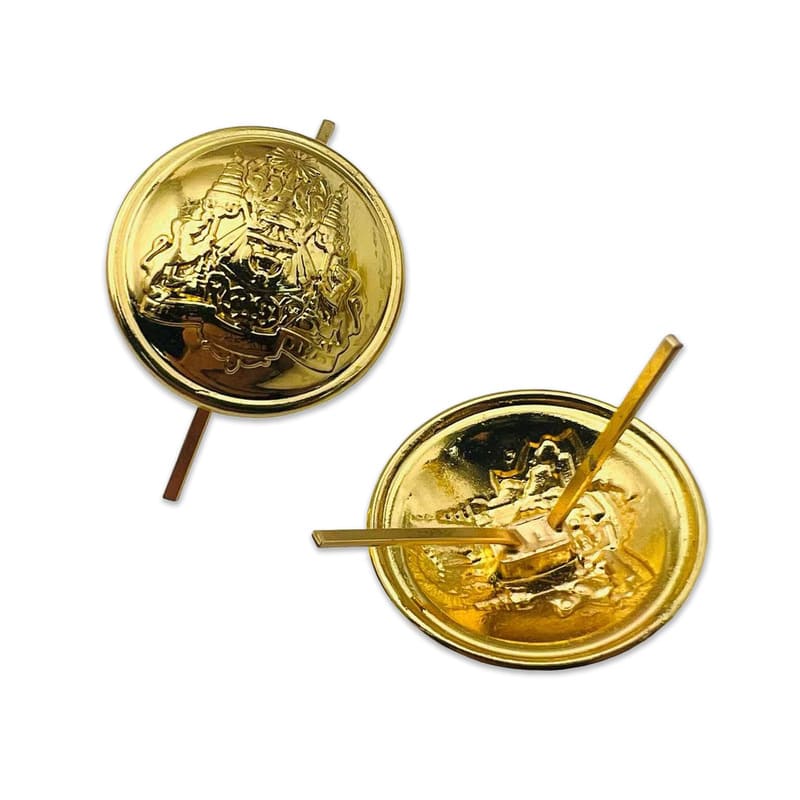
Manufacturing custom pin buttons typically involves stamping, casting, or CNC engraving. Excessively intricate shapes, tiny lettering, or multi-dimensional embossing can push up production costs or require simplifying designs for manufacturability.5
Simplifying designs for success
In my experience guiding procurement managers, overly intricate logos or patterns frequently need adjustment. Why? Machines, especially in casting or stamping processes, have physical limits. Features narrower than 0.2 mm can lead to defects like incomplete details or raised burrs during production.6 I always stress using slightly larger dimensions for intricate details to retain legibility after production.
Another tip is to customize layouts and layers based on manufacturing methods:
- For stamped buttons: Stick with flatter surface shapes for clearer embossing.
- For cast designs: Consider fewer layers and smoother gradients. Complex layering slows down mold preparation and increases costs.
Testing prototypes early can keep things realistic. In one memorable project, a first draft lacked proportionality in its logo elements. Adjusting these proportions improved clarity while reducing rejection rates during quality inspection.
Is customization cost-effective for small orders?
Many buyers assume smaller orders are cheaper—that’s not entirely true for custom manufacturing.
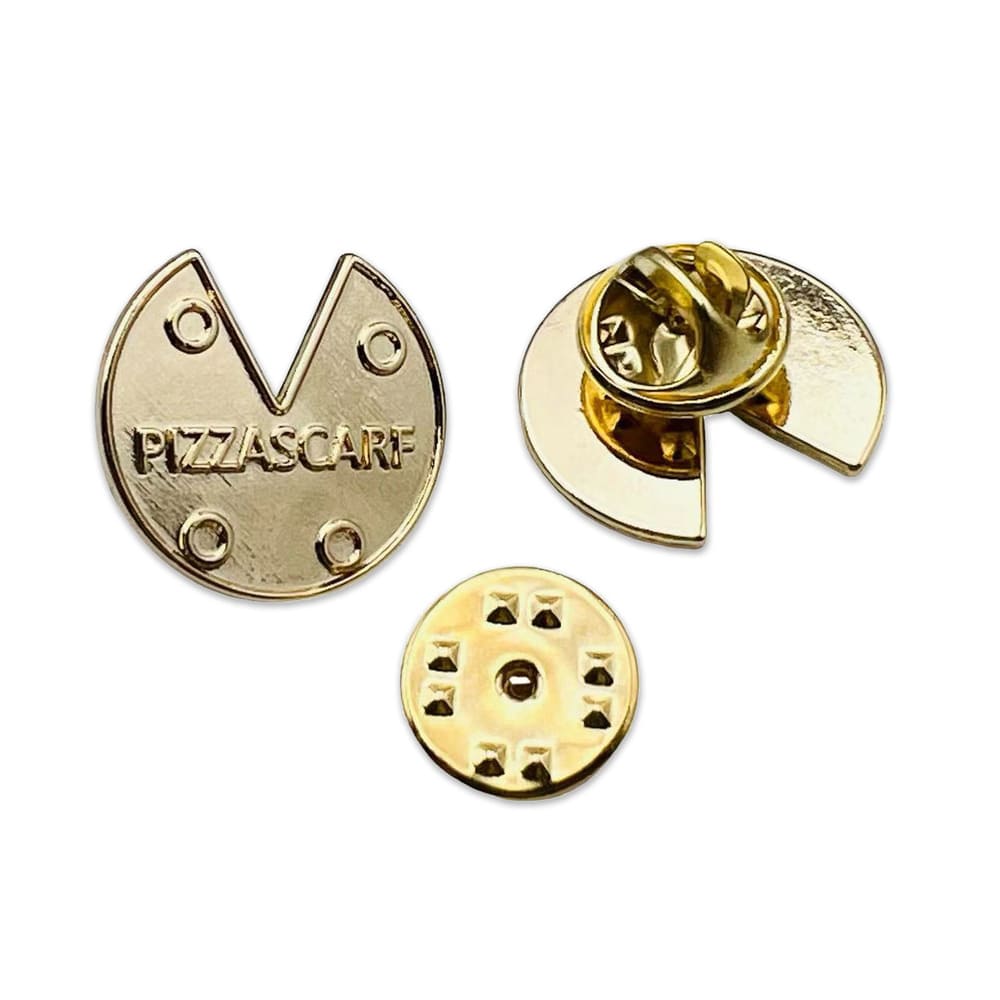
Customization typically involves high initial setup costs for molds, designs, and testing.7 Larger orders spread these fixed costs more evenly, while smaller batch sizes often create higher per-unit pricing.8 Scaling up production improves cost efficiency.
Understanding pricing for custom projects
Here’s how costs add up in metal pin button production:
- Mold charges: These can range from $50–$300 depending on design complexity.
- Material sourcing: Specialty alloys or finishes may come with minimum order quantities.
- Setup labor: Whether assembling pins or preparing prototypes, fixed labor costs exist.
For production quantities below 500 units, overhead costs—like mold setup or testing—are harder to absorb.9 For one client looking to produce 200 buttons with custom multi-layer logos, increasing the quantity sold per order enabled larger cost savings. But when small batches are unavoidable, I usually suggest simpler designs to minimize mold preparation or post-processing expenses.
Proactive planning paired with clear communication can further mitigate customization expenses. If you need samples or small-batch customization, opt for suppliers with flexible service offerings.
Frequently Asked Questions
How long does it take to produce custom pin buttons?
Production timelines typically range from 10–25 days, depending on material, design complexity, and order quantities. Factor in mold preparation and prototyping for custom designs.
Can I change the design after mold creation?
Most molds are permanent once created, so design changes may require additional costs to prepare new molds. Provide finalized artwork and confirm the design’s feasibility with your supplier before production begins.
Are custom buttons suitable for promotional campaigns?
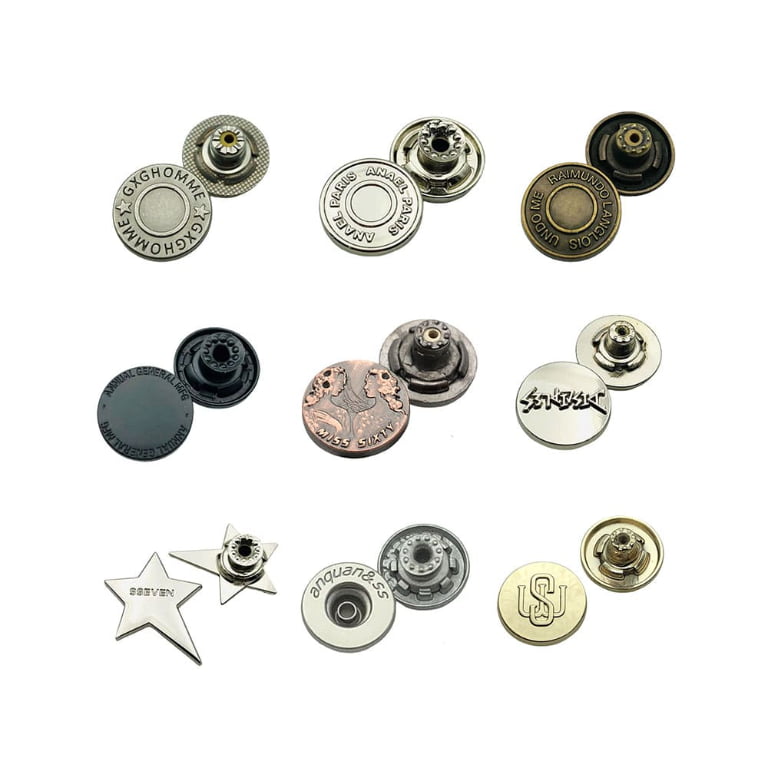
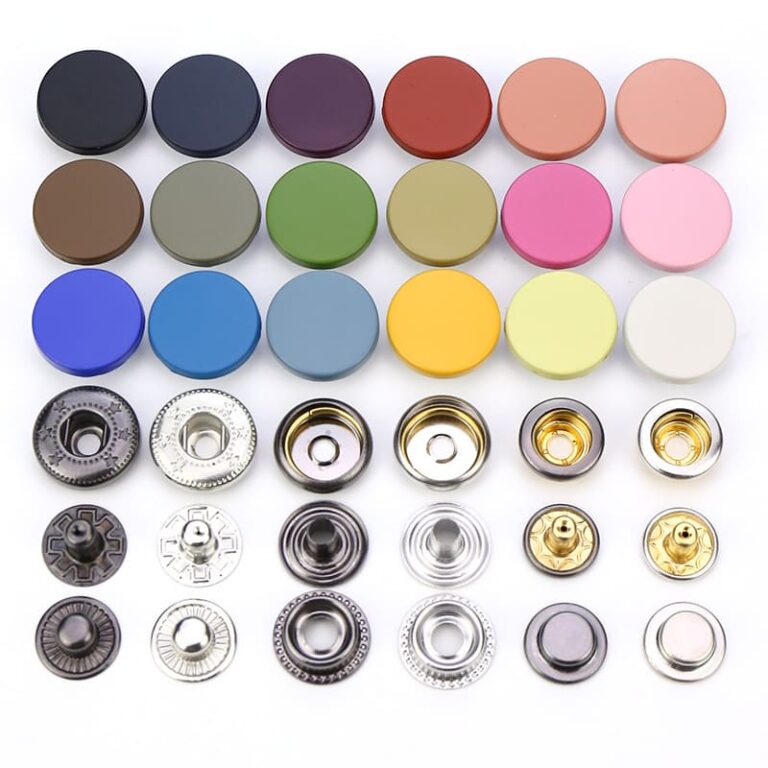
Yes, custom metal buttons are ideal for branding campaigns due to their durable finishes and distinctive designs. Popular finishes include antique brass, matte black, and high-gloss plating.
What’s the average cost per custom pin button?
Pricing varies by material, design, and quantity. Generally, costs range from $0.50–$4 per unit. Larger order volumes and simplified designs lower the per-unit price.
Conclusion
Custom metal pin buttons offer unparalleled branding opportunities, but achieving the perfect button requires thoughtful design planning, material selection, and understanding production limits. Simplifying designs, scaling orders strategically, and ensuring clear supplier communication can significantly reduce costly errors.
If you’re ready to customize metal pin buttons that fit your brand’s needs perfectly, reach out today to discuss material options, finishing techniques, and prototype possibilities. Let’s create accessories that stand out!
"Brass", https://en.wikipedia.org/wiki/Brass. Brass, stainless steel, and zinc alloys are commonly used in manufacturing due to their durability, corrosion resistance, and ability to support various finishes. These properties make them suitable for applications like custom pin buttons. However, specific popularity data may vary by region or industry. Evidence role: general_support; source type: encyclopedia. Supports: The popularity and suitability of brass, stainless steel, and zinc alloys for custom pin buttons due to their durability and finishing options.. Scope note: The source may not specifically address custom pin buttons but provides general material properties. ↩
"Printable aluminum alloy sets strength records, may enable ...", https://news.mit.edu/2025/printable-aluminum-alloy-sets-strength-records-may-enable-lighter-aircraft-parts-1007. Aluminum is widely recognized for its lightweight properties, making it suitable for applications requiring reduced weight. However, its softness can limit the precision of fine engraving. These characteristics are relevant in custom manufacturing contexts. Evidence role: mechanism; source type: research. Supports: Aluminum's lightweight nature and its limitations in fine engraving due to its softness.. Scope note: The source may not specifically focus on custom pin buttons but discusses aluminum's general properties. ↩
"Mechanical properties of electrodeposited brass", https://www.govinfo.gov/content/pkg/GOVPUB-C13-3eaff0a3461810f73869b86c31a56a9b/pdf/GOVPUB-C13-3eaff0a3461810f73869b86c31a56a9b.pdf. Brass is a preferred material for electroplating due to its smooth surface and compatibility with various finishes, including gold and antique effects. This makes it ideal for decorative applications. Evidence role: mechanism; source type: education. Supports: Brass's suitability for electroplating and its ability to achieve high-quality finishes like gold or antique effects.. Scope note: The source may not directly address custom pin buttons but focuses on brass's general electroplating properties. ↩
"Zinc Die Casting Alloys – ZP 8 (UNS Z35636)", https://www.azom.com/article.aspx?ArticleID=9573. Zinc alloys are known for their excellent casting properties, allowing for the creation of intricate and complex shapes. This makes them a popular choice in custom manufacturing. Evidence role: mechanism; source type: research. Supports: Zinc alloys' flexibility and suitability for casting complex shapes.. Scope note: The source may not specifically address custom pin buttons but discusses zinc alloys' general casting advantages. ↩
"Investigation of an Innovative Roll-to-Plate (R2P) Hot ... - PMC", https://pmc.ncbi.nlm.nih.gov/articles/PMC11596148/. Complex designs, such as intricate shapes or multi-dimensional embossing, often increase production costs and may require simplification to ensure manufacturability. These challenges are common in custom manufacturing processes. Evidence role: general_support; source type: research. Supports: The challenges and cost implications of manufacturing intricate designs, tiny lettering, or multi-dimensional embossing.. Scope note: The source may not specifically address custom pin buttons but discusses general manufacturing constraints. ↩
"What is the smallest feature that you can print?", https://community.xometry.com/kb/articles/751-what-is-the-smallest-feature-that-you-can-print. Design features narrower than 0.2 mm are prone to production defects, such as incomplete details or raised burrs, due to limitations in manufacturing precision. Evidence role: mechanism; source type: research. Supports: The impact of narrow design features (less than 0.2 mm) on production defects like incomplete details or raised burrs.. Scope note: The source may not specifically address custom pin buttons but discusses general manufacturing tolerances. ↩
"Cost-Benefit Assessment of Additive Manufacturing for ...", https://docs.nlr.gov/docs/fy26osti/93799.pdf. Custom manufacturing often incurs high initial setup costs, including mold creation, design preparation, and testing, which are necessary to ensure product quality. Evidence role: general_support; source type: education. Supports: The high initial setup costs associated with molds, designs, and testing in customization projects.. Scope note: The source may not specifically address custom pin buttons but discusses general customization cost structures. ↩
"Economies of scale", https://en.wikipedia.org/wiki/Economies_of_scale. In custom manufacturing, larger production orders reduce per-unit costs by distributing fixed costs, such as mold creation and setup, across more units. Evidence role: statistic; source type: education. Supports: The economic principle that larger orders reduce per-unit costs by spreading fixed costs more evenly.. Scope note: The source may not specifically address custom pin buttons but discusses general manufacturing cost principles. ↩
"Minimum Order Quantity: How to calculate and optimise it", https://quivo.co/us/moq-meaning-minimum-order-quantity-calculate/. Small production runs, typically below 500 units, struggle to absorb fixed overhead costs like mold setup and testing, leading to higher per-unit pricing. Evidence role: statistic; source type: research. Supports: The difficulty of absorbing overhead costs in production quantities below 500 units.. Scope note: The source may not specifically address custom pin buttons but discusses general manufacturing cost dynamics. ↩