
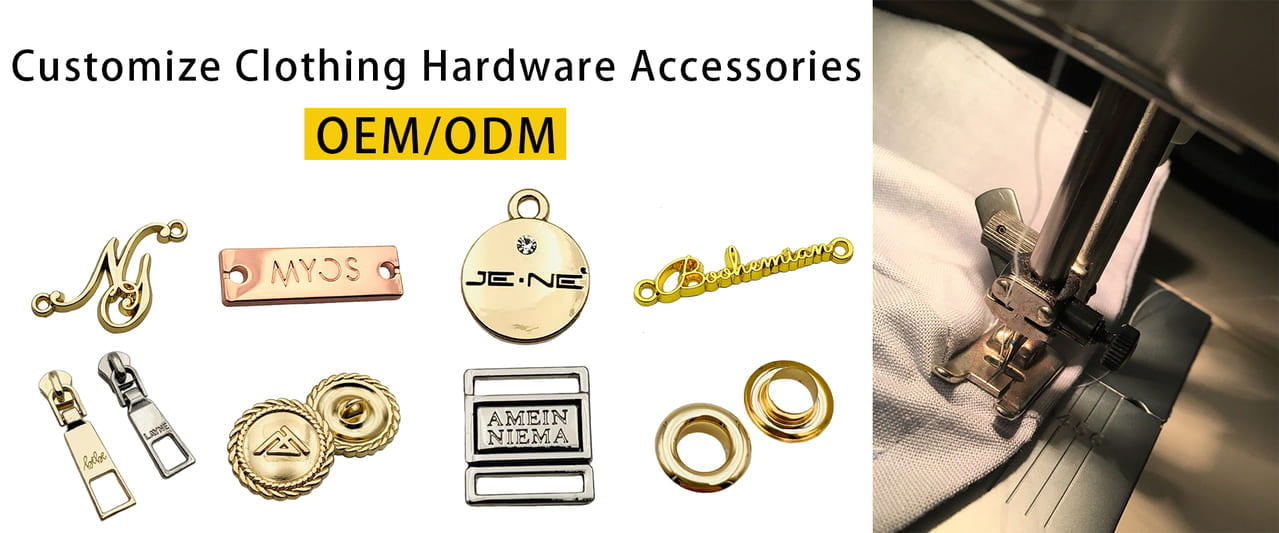
Worried your custom metal tags1 will fade and tarnish, cheapening your product? This fear can stop you from adding that premium touch that makes your brand stand out.
The best custom metal tags balance design, durability, and cost. For most brands, zinc alloy2 is the ideal choice. It allows for complex 3D shapes and, with high-quality electroplating3 and a protective seal4, it offers excellent durability and resistance to fading, often at a lower cost than stainless steel5.
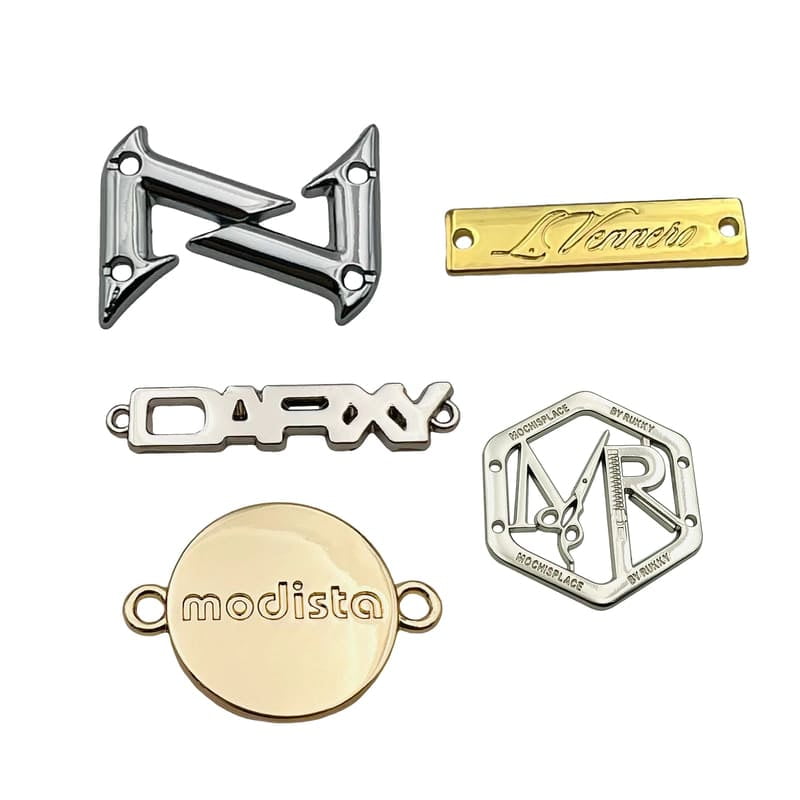
I talk to brand owners every day. They all want their products to feel special and high-quality. A custom metal logo tag is a perfect way to do that. But it can also be a source of a lot of stress. You have this great idea for a logo, but you're not sure how to turn it into a physical piece of hardware that will last. You've seen cheap bags and jackets where the metal parts look corroded after just a few months. You definitely don't want that for your brand. This is a common problem, but it has a straightforward solution. It all comes down to understanding the materials and the manufacturing process6. Let's walk through it together, so you can make a choice that elevates your brand and gives you peace of mind.
Why is Zinc Alloy Often Better Than Stainless Steel for Custom Tags?
You have a unique, detailed logo you want to bring to life. But you're told stainless steel5 is stronger, making you feel stuck between a great design and a durable tag.
Zinc alloy is often better because it’s perfect for creating complex, intricate, and 3D designs through a process called die-casting7. Stainless steel is much harder to work with, limiting it to simpler, flatter shapes made by stamping or etching. Zinc alloy gives you much more creative freedom.
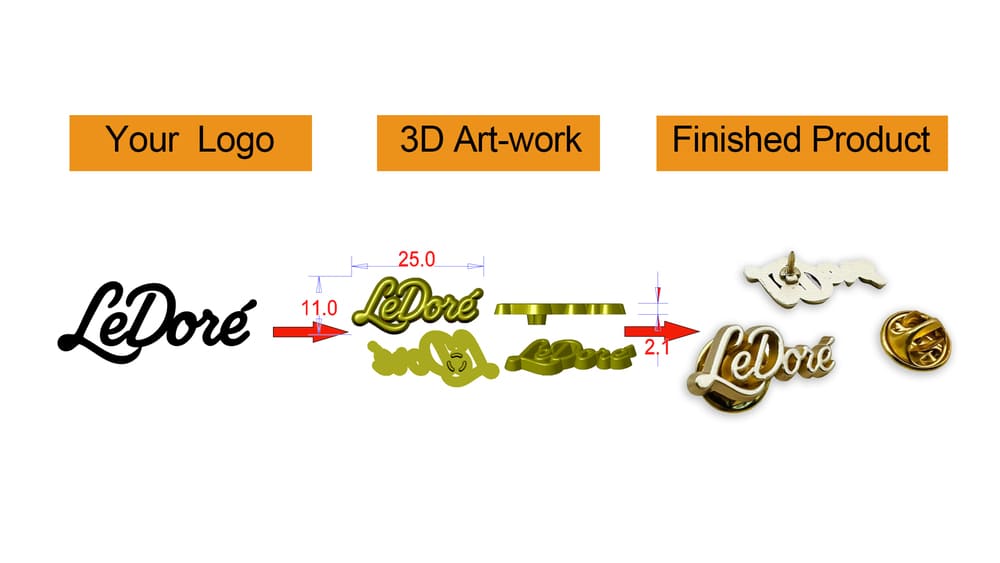
When we talk about creating custom metal tags, the conversation almost always comes down to two materials: zinc alloy and stainless steel. Many people initially lean toward stainless steel because it has a reputation for being tough and rust-proof. That's true, but it's not the whole story for creating a custom logo. The manufacturing process is the key difference. Stainless steel is a very hard metal. To shape it, we typically have to stamp it, cut it, or etch it. This works well for simple, flat shapes, like a basic dog tag. But if your logo has curves, different levels, or fine details, stamping just can't capture that.
Zinc alloy, on the other hand, is ideal for a process called die-casting. We melt the alloy and inject it into a custom steel mold. This process allows the molten metal to fill every tiny nook and cranny of the mold, perfectly capturing complex 3D shapes and sharp details. I remember a client who came to us with a beautiful design for a tag shaped like a lion's head. They wanted all the detail of the mane and the facial features. With stainless steel, it was impossible. We created a die-cast mold for zinc alloy, and the final product was stunning. It had a substantial, premium weight8 and all the intricate details they dreamed of.
Here’s a simple breakdown:
| Feature | Zinc Alloy | Stainless Steel |
|---|---|---|
| Design Complexity | Excellent for 3D and intricate shapes | Best for flat, simple 2D shapes |
| Manufacturing Process | Die-casting (molten metal in a mold) | Stamping, Etching (cutting or pressing) |
| Level of Detail | High | Low to Medium |
| Weight | Heavier, more substantial feel | Lighter feel |
For brands that want their hardware to be a statement piece, zinc alloy almost always provides the creative freedom to make something truly unique and memorable.
How Can You Prevent Metal Tags From Fading or Tarnishing?
You've invested in beautiful custom tags, but you're constantly worried they'll fade or corrode. This anxiety can undermine your confidence in your product's long-term quality and reputation.
To prevent fading, use a high-quality finishing process9. The best method is multi-layer electroplating10 followed by a clear, protective oil or lacquer seal. This creates a durable barrier that protects the metal from moisture, air, and friction, ensuring the color and shine last for years.
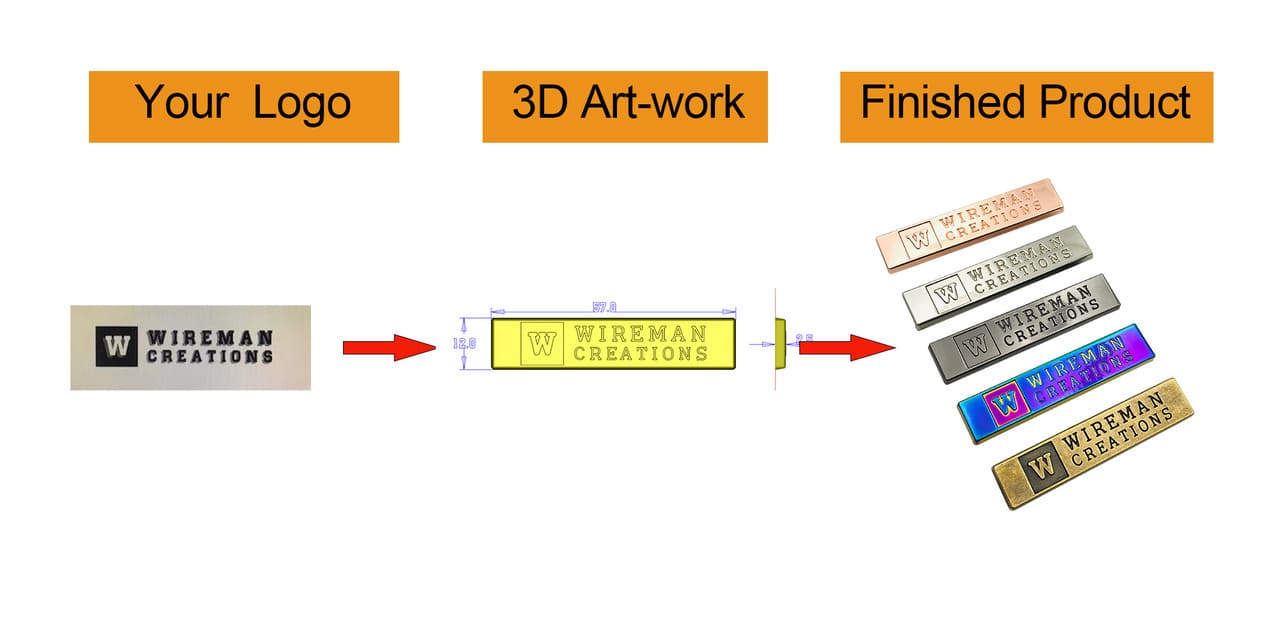
The fear of fading is the number one concern I hear from clients. It's a valid worry. A tarnished logo tag can make an entire garment or bag look cheap. The secret to longevity isn't just the base metal; it's the finish that we apply on top of it. Think of it like painting a car. The steel body of the car is strong, but it's the primer, paint, and clear coat that protect it from rust and give it a beautiful, lasting shine. We do the exact same thing for our metal tags. The most important process is electroplating. In simple terms, we use an electric current to bond a very thin layer of another, more durable metal (like gold, nickel, or brass) onto the surface of the zinc alloy tag.
However, not all plating is created equal. For our premium tags, we use a method called rack plating. Each tag is individually hung on a rack before being submerged in the plating solution. This ensures the entire surface gets a perfectly even and thick coating. The cheaper alternative, barrel plating, involves tumbling a large batch of tags together in a barrel. It's faster and less expensive, but the finish can be inconsistent and less durable because the pieces knock against each other. After plating, we add the most critical final step: a transparent protective seal. This can be a special anti-oxidation11 oil or a clear lacquer12. This seal is what truly locks in the color and protects the tag from the elements.
We once ran a test in our factory. We took one of our standard tags with a full plating and oil seal, and a cheaper tag from another source that skipped the seal. We left them both on a windowsill, exposed to sun and humidity. After just one month, the cheaper tag was already showing dark spots and discoloration. Ours looked exactly the same as the day we made it. That simple test proved to me that this final protective step is not optional; it's essential for quality.
| Finishing Step | Purpose | Impact on Quality |
|---|---|---|
| Base Polish | Smooths the raw metal surface | Creates a flawless foundation for plating |
| Electroplating | Adds color and a durable metal layer | Determines the final look and wear resistance |
| Enamel/Paint | Fills recessed areas with color | Adds detail and branding elements13 |
| Protective Seal | A final clear coat (oil or lacquer) | Prevents oxidation11, fading, and tarnishing |
When you're discussing your project with a supplier, don't just ask about the metal. Ask them to detail their plating and sealing process. It's the key to a tag that looks as good years from now as it does on day one.
How Can You Reduce the Cost of Custom Metal Tags?
You want that premium, custom hardware for your brand, but the costs seem overwhelming. You feel like you have to choose between your budget and the quality look you want.
The most effective way to reduce costs is to choose zinc alloy. The one-time mold cost14 for die-casting zinc alloy is significantly lower than the cost of a stamping mold for stainless steel. This initial saving makes custom hardware much more accessible, especially for new brands.
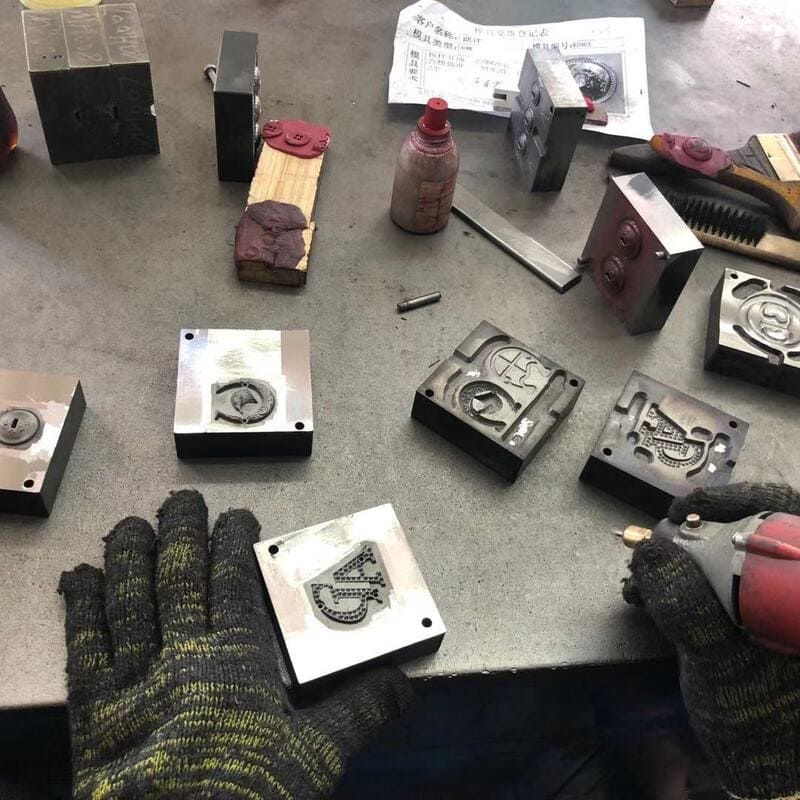
Budget is a reality for every brand, big or small. When it comes to custom hardware, many people are surprised by the initial mold fee. This is a one-time cost to create the unique tool that will produce your tags. Understanding this cost is the key to managing your budget. This is another area where zinc alloy has a major advantage. Creating a die-cast mold for zinc alloy is much more affordable than creating a stamping die for stainless steel. A die-cast mold is built to have molten metal poured into it. A stamping die, on the other hand, has to be strong enough to press and cut solid, hardened steel. It requires more expensive materials and more complex engineering, so the cost is naturally much higher.
I worked with a startup handbag brand a few years ago. They had a gorgeous, intricate logo they wanted to turn into a metal tag. They first got a quote from a supplier who specialized in stainless steel, and the mold cost alone was nearly $1,000. It was a huge blow to their budget. They came to us, and I walked them through the zinc alloy die-casting process. We were able to create a mold that captured their design perfectly for about $50. That massive saving on the mold fee freed up their budget to invest in higher-quality zippers and other hardware for their bags. It was a game-changer for them.
Beyond the mold, the unit price per tag is also affected by order quantity. The more you order at once, the lower the price per piece, because we can run the machine more efficiently.
Here’s a look at how costs can compare (these are just estimates):
| Cost Component | Zinc Alloy (Die-Cast) | Stainless Steel (Stamped) |
|---|---|---|
| Mold Cost (One-Time) | $50 - $300 | $150 - $1,000+ |
| Unit Price (per piece) | Generally lower due to efficient process | Can be higher depending on complexity |
| Best for Budget | Excellent for startups and complex designs | Better for very large runs of simple shapes |
If you're trying to keep costs down without sacrificing your design, start with zinc alloy. Plan your orders to get the best quantity discount, and keep your design focused. Sometimes removing one tiny, hard-to-make element can reduce the mold complexity and save you money without anyone noticing the difference.
Conclusion
In short, zinc alloy offers the best mix of design freedom, long-lasting durability with the right finish, and cost-effectiveness for your custom metal tags. It's the smart choice.
---Explore how custom metal tags can enhance your brand's identity and product quality. ↩
Learn why zinc alloy is often the best choice for durability and design flexibility. ↩
Discover the electroplating process and its impact on the longevity of metal tags. ↩
Learn how a protective seal can prevent fading and tarnishing of your tags. ↩
Find out why stainless steel may not be the best option for detailed designs. ↩
Explore various manufacturing methods and their effects on tag quality. ↩
Understand the die-casting process and its advantages for creating intricate designs. ↩
Discover how premium weight can enhance the perceived quality of your tags. ↩
Discover the importance of finishing processes in ensuring tag durability. ↩
Learn about the advantages of multi-layer electroplating for metal tags. ↩
Learn about oxidation and its impact on the durability of metal tags. ↩
Explore how clear lacquer can safeguard your metal tags from wear and tear. ↩
Learn how custom tags can effectively communicate your brand's identity. ↩
Understand how mold costs can affect your budget for custom tags. ↩